
Zeverland Survival Guide: Resources, Combat and Shelter
Use this Zeverland survival guide to plan resource searches, improvised weapons, shelter building, exploration, infection risks, and co-op preparation.
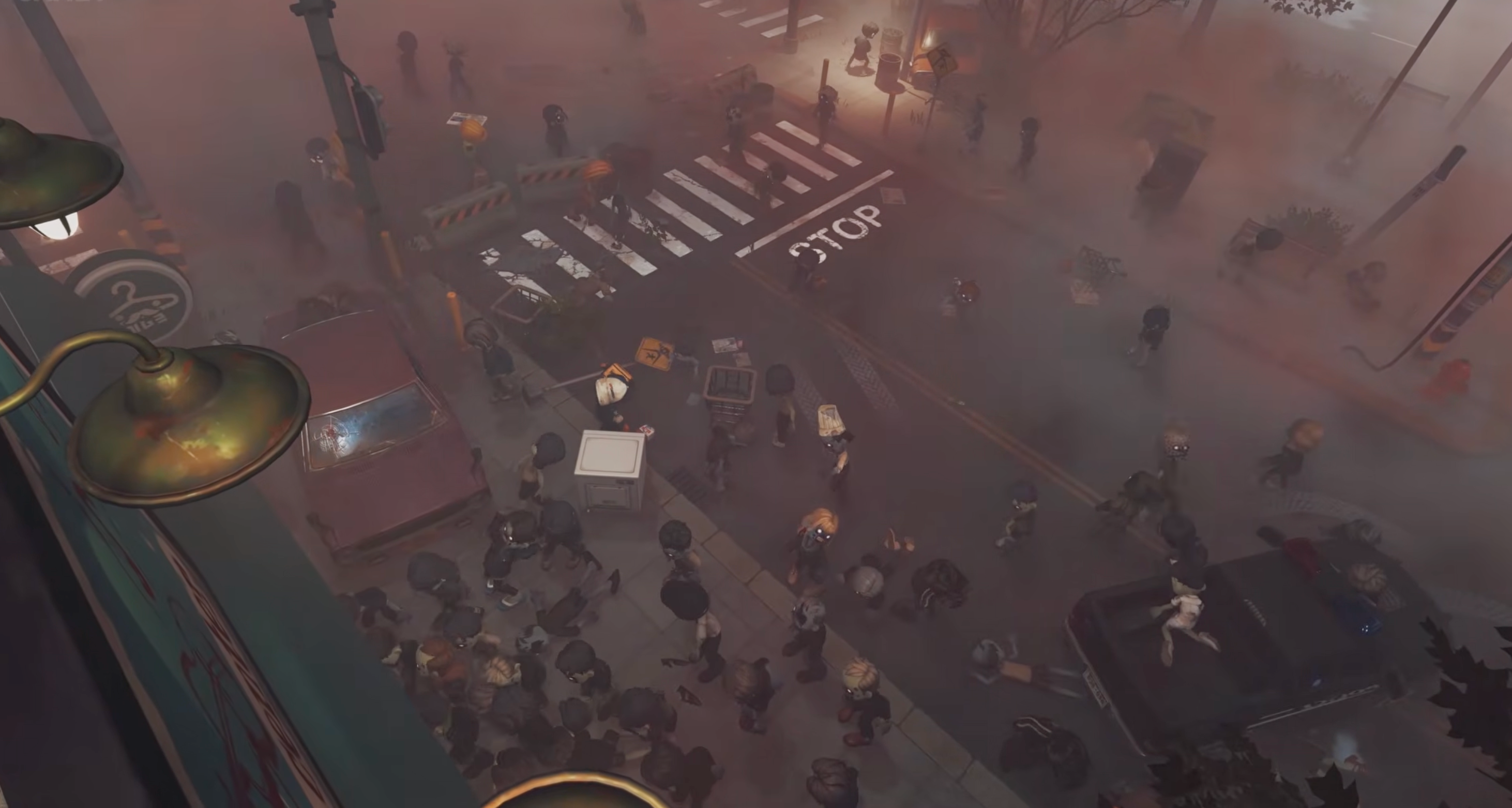
This Zeverland survival guide recommends a conservative loop: gather nearby resources, prepare an improvised weapon, establish a safe place, and only then push into unfamiliar areas. Zeverland’s official description says that the world is interactive and that common sense is central to survival. The same description confirms crafting, shelter building, vehicles, NPC support, infrastructure repair, infection, and both solo and online co-op play, but it does not publish a complete survival manual.
The survival loop is built around interaction
Zeverland is not presented as a game where the player waits for a narrow list of traditional resource nodes. The official material uses everyday objects and damaged infrastructure as examples of things that can matter, from dismantling a gas-station toilet to searching a pantry or vending machine. The safe conclusion is that players should inspect their surroundings and test useful interactions instead of ignoring ordinary scenery.
This does not confirm that every visible object is usable. The sources do not provide a universal interaction rule, a complete item list, or the final limits of the system. If a prop, building, or vehicle behaves differently in your build, record that as version-specific information rather than generalizing it to the whole game.
Resource priorities without a fake recipe list
The material supports three broad priorities: items that help you survive, materials that can become weapons, and resources that support a shelter or later infrastructure work. It does not provide exact quantities, rarity tiers, inventory slots, or a confirmed crafting tree. A useful early rule is therefore to keep flexible materials and avoid discarding an object until you know whether it can be dismantled, combined, or used in a base.
The official store page describes scrap as a source for improvised weapons and presents the world as full of practical objects. That supports a search-first approach, but not a claim about the best route or the fastest farm. Storage-box capacity, resource respawn, and item categories are pending confirmation and should not be filled with guessed numbers.
Prepare before a fight
Zeverland’s confirmed weapon concept is creative combination. The supplied examples include a zombie head attached to a baseball bat, a clothes iron combined with a tennis racket, and a metal bat paired with a DSLR camera. These examples show that players are expected to use imagination and the surrounding environment, while the actual damage, durability, timing, and status effects remain undocumented.
Before exploring farther, make sure you have at least one usable improvised weapon and a clear retreat point. The sources describe Zeds as more capable than a basic pointy stick can handle, but they do not specify enemy health, attack patterns, or encounter tables. Treat every unconfirmed combat value as pending confirmation and learn from the build you are actually playing.
A shelter is more than a visual landmark
The official description presents a shelter as something the player builds piece by piece. Examples include bedding, water purifiers, gardens, and larger structures, while NPCs can be recruited to help with shelter construction. This supports a survival plan that turns a safe place into a base for organizing materials, preparing trips, and gradually expanding what the player can do.
The sources do not confirm whether every existing building can be claimed or whether a shelter requires a special plot, station, or quest. They also do not confirm power, water, defense, or storage requirements. The building guide and existing-buildings page should be read alongside this survival overview until the game publishes detailed construction rules.
Travel and the risk of going too far
The world is described as a seamless wasteland of about 5,000 km² containing mountains, lakes, towns, and abandoned farms. That scale makes navigation and return planning important, even though the supplied material does not include a full map or coordinate system. Start with short trips, learn what the nearby locations contain, and make the route back to shelter part of the plan.
Vehicles add another possible way to travel. The official page describes modifying vehicles and even turning an RV into a mobile home, but it does not publish vehicle classes, fuel rules, damage systems, or a confirmed travel speed. Use the vehicle pages for the supported concept and keep technical behavior marked pending confirmation.
Infection is a decision point, not a documented build
The official store description says that being bitten can lead to joining the undead side, and the supplied community material says the human-to-zombie system was not removed but would be developed later. This confirms that infection is a major part of Zeverland’s design direction. It does not confirm the exact trigger, transformation timer, abilities, cure, or whether every version exposes the mechanic.
For a current survival plan, treat infection as a risk whose implementation may change. Do not promise that a bite always produces a particular outcome, and do not present early footage as a final rule. The zombie transformation page records the confirmed direction and the missing details separately.
Solo and co-op survival
Steam lists Single-player, Multiplayer, Co-op, and Online Co-op. The official vision also includes players working together on bridges, shelters, vaccines, and other large projects. Solo players can focus on learning interactions and building a safe routine, while groups can split searching, crafting, travel, and shelter work.
Party size, shared progression, friendly fire, shared storage, and objective ownership are not confirmed in the supplied material. Coordinate those assumptions with your group instead of treating them as guaranteed features. If the game changes between tests, label observations with the build or test context.
Pending confirmation checklist
The evidence does not confirm exact hunger and thirst meters, combat damage, weapon durability, enemy variants, resource respawn, storage capacity, map coordinates, building costs, or vehicle fuel. It also does not confirm a final release date or a publicly downloadable version. These are not omissions to fill with guesses; they are the points a future official guide or patch note must settle.
A reliable Zeverland survival guide should therefore separate “confirmed by the supplied source” from “observed in a particular build.” Until more documentation arrives, use the broad loop here to plan your first sessions and verify every detailed mechanic in game.
Related guides
Sources
Related Articles
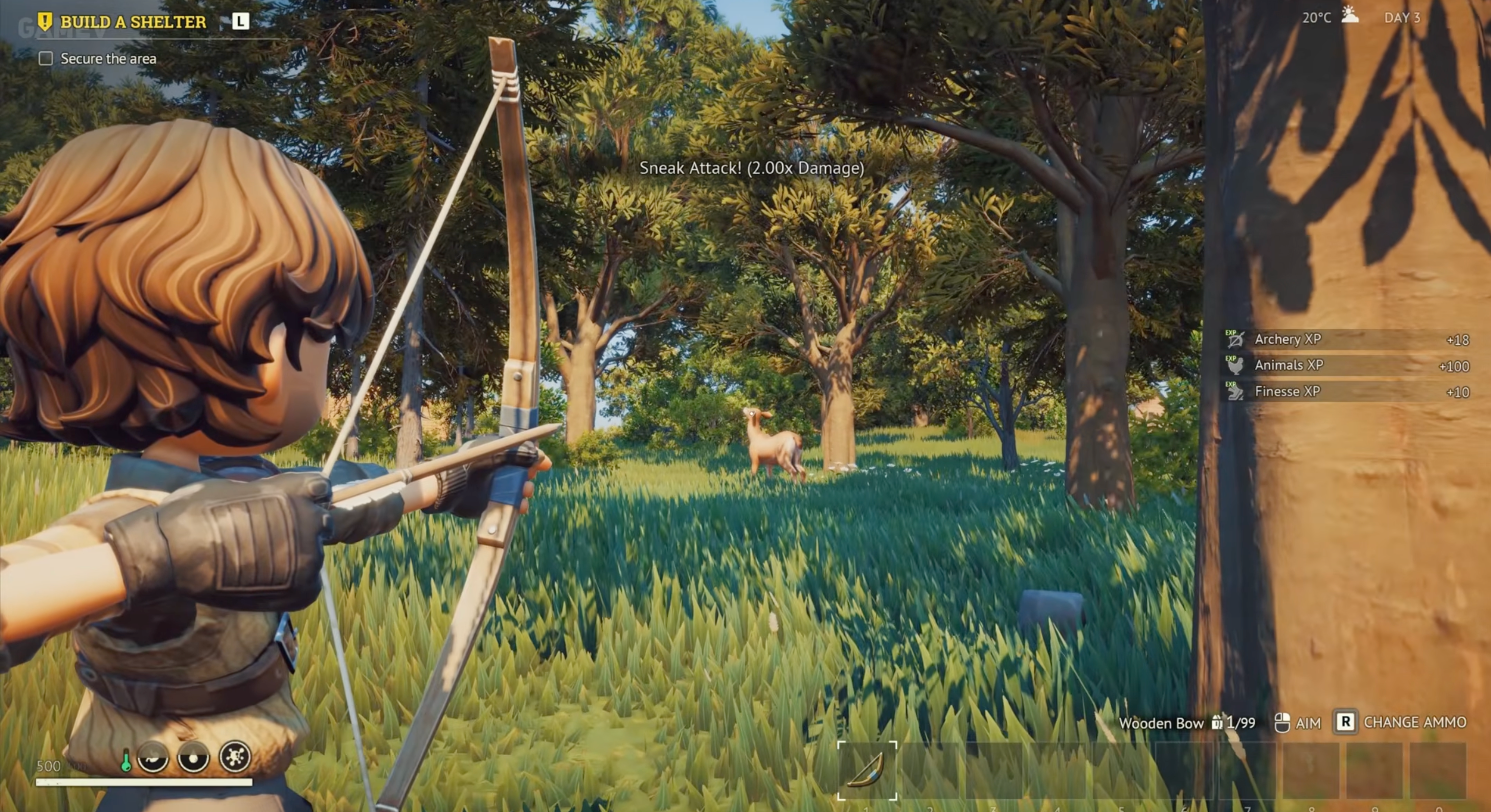
guides
Zeverland Beginner Guide: First-Day Survival Basics
This Zeverland beginner guide explains the confirmed first steps: collect scrap, craft improvised weapons, find shelter, explore safely, and plan a first base.
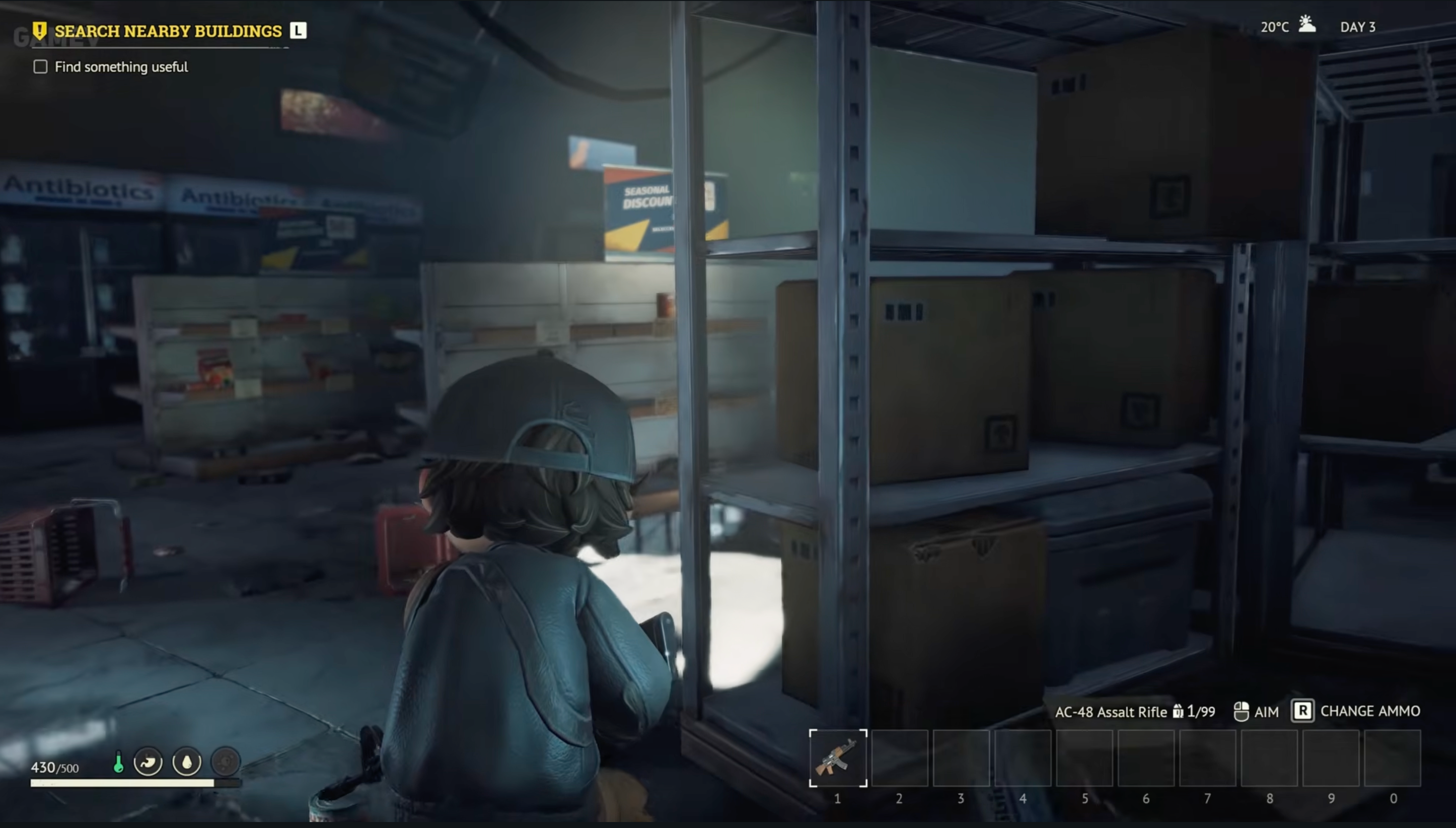
survival-mechanics
Zeverland Weapons Guide: Improvised Crafting and Combat
This Zeverland weapons guide covers confirmed junk combinations and combat direction while marking damage, durability, recipes, and tiers as pending.

survival-mechanics
Zeverland Zombie Transformation: Infection Explained
The Zeverland zombie transformation system is planned, but its trigger, timing, abilities, cure, and final rules remain pending confirmation.
Was this helpful?
Thanks for the feedback!